
Abstract
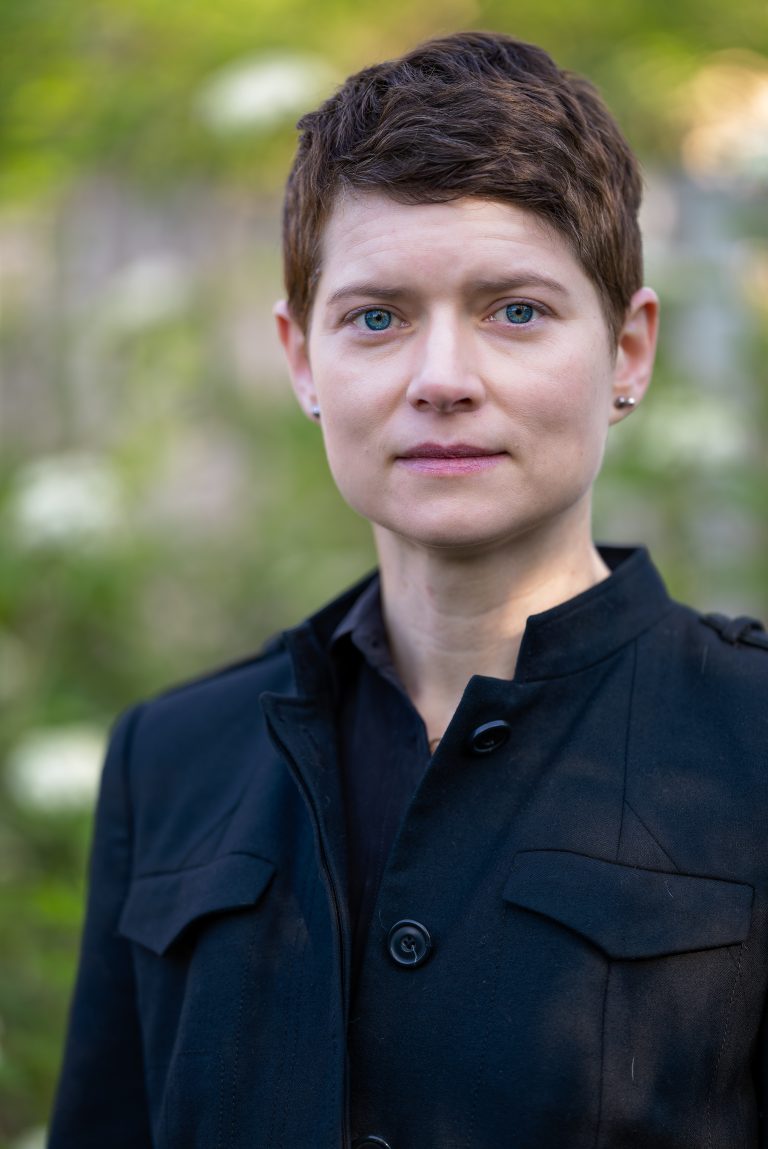
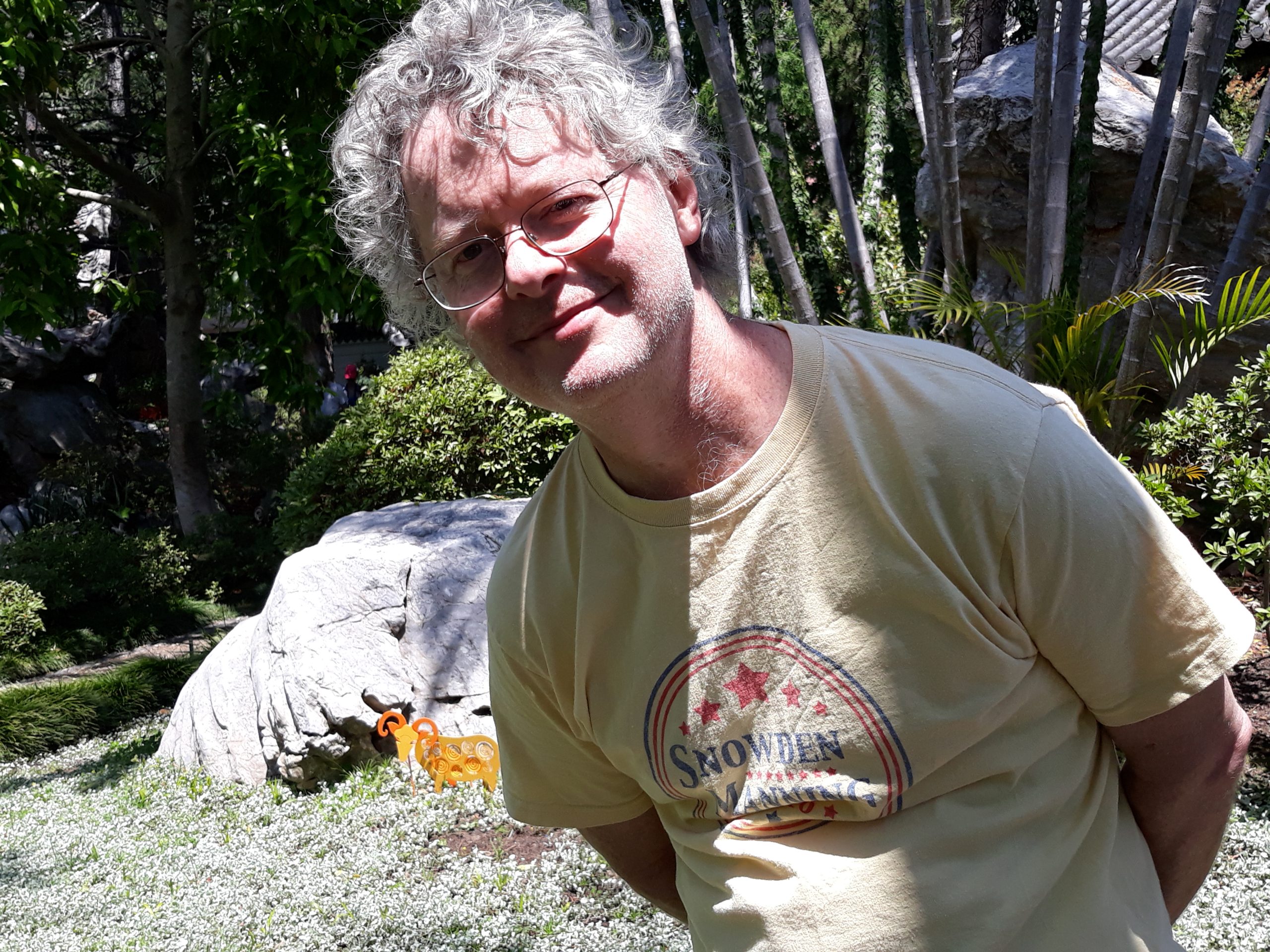
Stephen Hetherington è professore emerito di filosofia presso l’Università del New South Wales, Sydney, e membro della Australian Academy of the Humanities (FAHA). Da dicembre 2013 a marzo 2022, ha ricoperto il ruolo di Direttore Editoriale dell’Australasian Journal of Philosophy ed è attualmente il Presidente dell’Australasian Association of Philosophy (AAP). Stephen è autore di diverse monografie, tra cui Good Knowledge, Bad Knowledge (2001), How to Know: A Practicalist Conception of Knowledge (2011), Knowledge and the Gettier Problem (2016) e Defining Knowledge: Method and Metaphysics (2022). Questa intervista offre uno sguardo sulle posizioni originali di Stephen sul fallibilismo, lo scetticismo e la giustificazione.
Stephen Hetherington is Professor Emeritus of Philosophy at the University of New South Wales, Sydney, and a fellow of the Australian Academy of the Humanities (FAHA). From December 2013 until March 2022, he served as the Editor-in-Chief of the Australasian Journal of Philosophy, and he is currently the President of the Australasian Association of Philosophy (AAP). Stephen is the author of several monographs, including Good Knowledge, Bad Knowledge (2001), How to Know: A Practicalist Conception of Knowledge (2011), Knowledge and the Gettier Problem (2016), and Defining Knowledge: Method and Metaphysics (2022). This interview provides insights into Stephen’s original positions on fallibilism, scepticism, and justification.
Citazione
Alessio Tacca, “Conversation with Stephen Hetherington”, in “APhEx 32”, 2025, pp. 194-225.
Numero della rivista
N°32/2025-APhEx
Visualizza e scarica il file PDF
Vai agli indici
AUTORI&AUTRICI

Ha conseguito il dottorato di ricerca in filosofia presso l’Università del New South Wales di Sydney nel 2019 con una tesi sullo scetticismo. Attualmente è assegnista di ricerca presso l’Istituto Universitario di Studi Superiori - IUSS Pavia e adjunct researcher all’Università della Tasmania. I suoi principali interessi di ricerca riguardano l’epistemologia, in particolare lo scetticismo antico e moderno, l’etica e l’epistemologia dell’Intelligenza Artificiale e la critica humiana.